
Poplin Shirt Manufacturing in Turkey: The Complete Guide for Brands
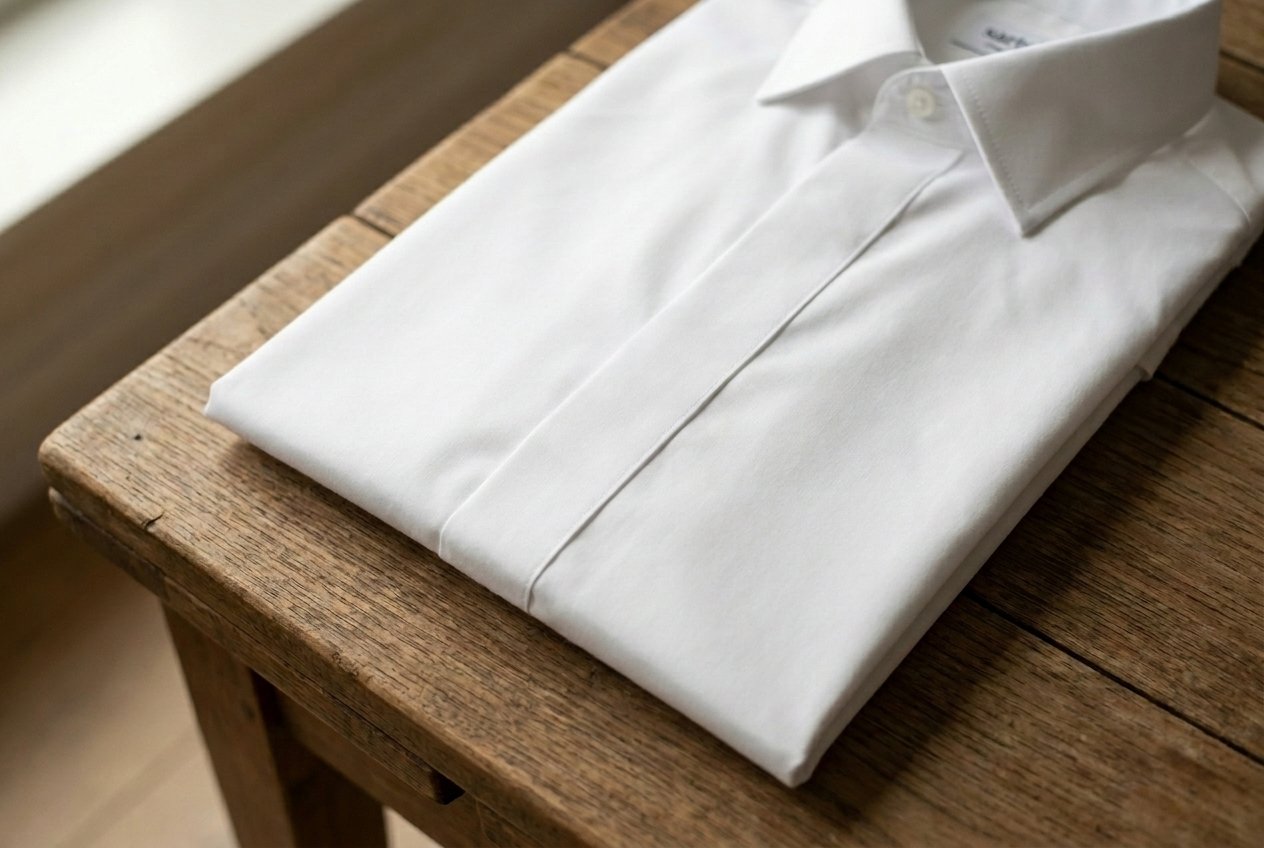
Poplin Shirt
If you're building a shirt collection — whether for a retail brand, a private label line, or a corporate uniform program — poplin is almost certainly on your fabric list. It's the backbone of the global shirt industry: lightweight, smooth, versatile, and universally flattering. And if you're sourcing poplin shirts at scale, Turkey has become one of the most competitive and reliable production destinations in the world.
This guide covers everything a brand or buyer needs to know before placing a poplin shirt order with a Turkish manufacturer — from fabric sourcing and construction quality to MOQs, lead times, and how to avoid the most common production mistakes.
What Is Poplin Fabric and Why Does It Matter for Shirt Production?
Poplin is a plain-weave fabric characterised by a fine, horizontal rib created by using a heavier weft yarn than warp yarn. The result is a smooth, slightly lustrous surface that holds its shape well, resists wrinkling better than many alternatives, and takes dye cleanly — which is why it's the default choice for dress shirts and formal wear worldwide.
From a manufacturing perspective, poplin matters because it's a precision fabric. The way it's cut, sewn, and finished determines whether the final shirt looks premium or cheap. A skilled factory will handle poplin's tendency to fray at cut edges, maintain consistent seam allowances, and press each panel correctly before assembly. A less experienced factory won't — and the difference shows immediately on the finished garment.
Key properties of poplin for shirt production:
Fabric weight typically ranges from 80 to 120 gsm for shirt applications
Available in 100% cotton, cotton-polyester blends, and stretch variations (with elastane)
Takes print and embroidery well, making it suitable for custom branding
Suitable for year-round wear, though it performs best in spring and summer collections
Easier to care for than linen or twill, which appeals to end consumers
For brands targeting the mid-to-premium segment, 100% combed cotton poplin in the 100-110 gsm range is the standard benchmark. For corporate or workwear applications, a 60/40 cotton-polyester blend reduces cost and improves durability.
Why Turkey for Poplin Shirt Manufacturing?
Turkey's textile industry didn't become a global export powerhouse by accident. The country has spent decades building vertical integration across the entire supply chain — from raw cotton cultivation in the Aegean region to yarn spinning, fabric weaving, dyeing, finishing, and garment production, often within a 200-kilometre radius.
For poplin specifically, this matters enormously.
Fabric Availability and Quality
Turkish mills produce high-quality poplin fabric domestically, which means Turkish shirt manufacturers have direct access to raw materials without the import lead times and currency risks that manufacturers in other regions face. Mills like Soktas, Albini Turkey, and numerous regional Aegean producers supply poplin in a wide range of constructions, thread counts, and finishes.
This domestic supply chain gives Turkish manufacturers two advantages that matter to brands: faster sampling (fabric is available quickly, not weeks away) and better quality control (the manufacturer has an established relationship with the mill and knows the fabric's behaviour).
Production Expertise
Istanbul and the broader Marmara and Aegean regions host hundreds of shirt factories ranging from small artisan operations to large-scale export facilities. The best of these have been producing shirts for European and North American brands for 20-30 years. Their pattern makers, cutters, and line supervisors have deep experience with woven shirt construction — collar setting, sleeve attachment, placket finishing — that simply cannot be replicated in regions without this production heritage.
Cost-Quality Balance
Turkey is not the cheapest shirt production destination in the world. Bangladesh, Pakistan, and some Southeast Asian markets can undercut on FOB price. But for brands in the €50-€200 retail price range — where quality consistency, accurate colour reproduction, and reliable delivery matter — Turkey consistently delivers better value than ultra-low-cost alternatives. You're not paying for cheap; you're paying for reliable.
Geographic Advantage for European Brands
For buyers in the UK, Germany, the Netherlands, France, Italy, and Scandinavia, Turkey's proximity is a genuine operational advantage. Shipping from Istanbul to Hamburg or Rotterdam takes 5-8 days by sea, compared to 25-35 days from Bangladesh or China. For brands managing tight retail windows or reacting to in-season demand, this lead time difference is significant.
Poplin Shirt Construction: What to Specify with Your Manufacturer
When placing a poplin shirt order with a Turkish manufacturer, the quality of your tech pack determines the quality of your outcome. Vague specs produce inconsistent results. Here's what to address explicitly:
Fabric Specification
Exact gsm range (e.g., 100-110 gsm)
Fibre composition (100% combed cotton, or specify blend ratio)
Thread count if relevant (e.g., 2/100s for fine poplin)
Finish: plain dye, yarn-dyed stripe, print, or dobby weave on poplin base
Pre-shrinkage requirement (important for branded garments with tight size tolerances)
Collar Construction
Poplin is commonly used across all collar styles. Specify your collar type precisely:
Spread collar — wider collar points, more formal, popular in European markets
Kent collar — classic medium spread, the most versatile option
French collar (cutaway) — extreme spread, suited for tie-free wearing
Button-down collar — casual application, less common in premium poplin
Also specify collar interlining: fused (standard) or floating (more traditional, higher cost). The interlining choice significantly affects how the collar sits and how it ages.
Seam Construction
Standard lockstitch seams are fine for most applications
French seams add a premium signal inside the garment — specify if required
Double-needle side seams improve durability for workwear applications
Specify stitch density (typically 12-14 stitches per inch for woven shirts)
Buttons and Buttonholes
Specify button material: corozo (natural nut), MOP (mother of pearl), or polyester
Button size per position (collar, front placket, cuff, sleeve placket)
Buttonhole orientation: horizontal at collar and cuffs, vertical on placket — specify any deviation
Labelling and Packaging
Care label content and language requirements (critical for different export markets)
Brand label placement and attachment method
Hang tag specifications
Individual polybag or folded/hanger packaging
Carton specifications for shipping
MOQ and Pricing: What Turkish Poplin Shirt Manufacturers Typically Require
Minimum order quantities vary by factory size and positioning. As a general framework:
Small-to-medium specialist factories (like Sartello):
MOQ typically 50-100 pieces per style per colour
Suitable for emerging brands, test runs, and capsule collections
More flexibility on construction details and fabric sourcing collaboration
Large export factories:
MOQ typically 300-500 pieces per style per colour
Better for established brands with predictable volume
Less flexibility on bespoke details
On pricing, FOB Istanbul costs for poplin shirts in 100% cotton typically range depending on construction complexity, fabric specification, and order volume. Simple poplin dress shirts in moderate quantities generally sit in a competitive range relative to European production alternatives. Request itemised quotes to compare fabric cost, CMT (cut-make-trim), and finishing separately.
Lead Times for Poplin Shirt Production in Turkey
Realistic lead times from order confirmation to ex-factory:
Sampling: 2-3 weeks for first sample, 1-2 weeks for revisions
Bulk production: 4-6 weeks after sample approval and fabric receipt
Total from order to ex-factory: 8-12 weeks depending on factory capacity and fabric sourcing
For brands targeting spring/summer retail windows, this means poplin orders should be confirmed by January-February at the latest. For in-season replenishment, some Turkish factories can accommodate faster production for repeat styles with approved samples on file.
Common Mistakes Brands Make When Sourcing Poplin Shirts from Turkey
Underspecifying the tech pack. "Standard poplin shirt" means different things to different factories. If you don't specify collar interlining, seam type, stitch density, and button quality, the factory will make decisions for you — and those decisions may not match your brand standard.
Skipping the pre-production sample approval. Even for repeat styles with minor changes, always approve a physical sample before bulk production begins. Poplin's colour reproduction can vary between fabric lots. What looks correct on screen may look different in person.
Ignoring shrinkage specifications. Poplin shrinks. If your size spec is based on finished measurements rather than pre-shrinkage measurements, your bulk production will run small. Specify your measurement point (before or after wash) clearly.
Focusing only on FOB price. A lower FOB price means nothing if quality failures result in returns, reworks, or brand damage at retail. Evaluate Turkish manufacturers on sample quality, communication responsiveness, and production transparency — not just the quote.
Not visiting or auditing the factory. For first-time orders above a certain value, a factory visit or third-party audit is worth the investment. It confirms production capacity, working conditions, and quality systems before you're committed.
How to Start a Poplin Shirt Production Run with Sartello
Sartello is a family-owned shirt manufacturer based in Istanbul, producing since 1994. We specialise in woven men's shirts — poplin, oxford, twill, linen, flannel — for European and international brands across private label and white label production models.
For poplin shirts specifically, we work with domestic Turkish mills for fabric sourcing, which keeps our sampling lead times short and our colour consistency high. We handle orders from 300 pieces per style, which makes us a practical option for brands at the growth stage who need quality production without large minimum commitments.
Our typical process:
You send us your tech pack or reference samples
We review and provide feedback within 3-5 business days
We submit a detailed quote including fabric options
Upon approval, we produce a first sample within 2-3 weeks
After your sample approval, bulk production begins
Final QC inspection before shipment
We export under standard international Incoterms (FOB, DAP, CPT) and can arrange shipping directly to your warehouse or fulfilment centre.
Ready to Start?
If you're evaluating Turkish manufacturers for your next poplin shirt collection, we're happy to discuss your project in detail — construction requirements, fabric options, pricing, and timelines.
Get in touch via our contact page or email us directly. We respond to all enquiries within 2 business days.
